Longevity
When should you have a bone density scan?
Find out who may benefit from a DXA scan and how the results help guide fracture prevention, exercise and follow-up.
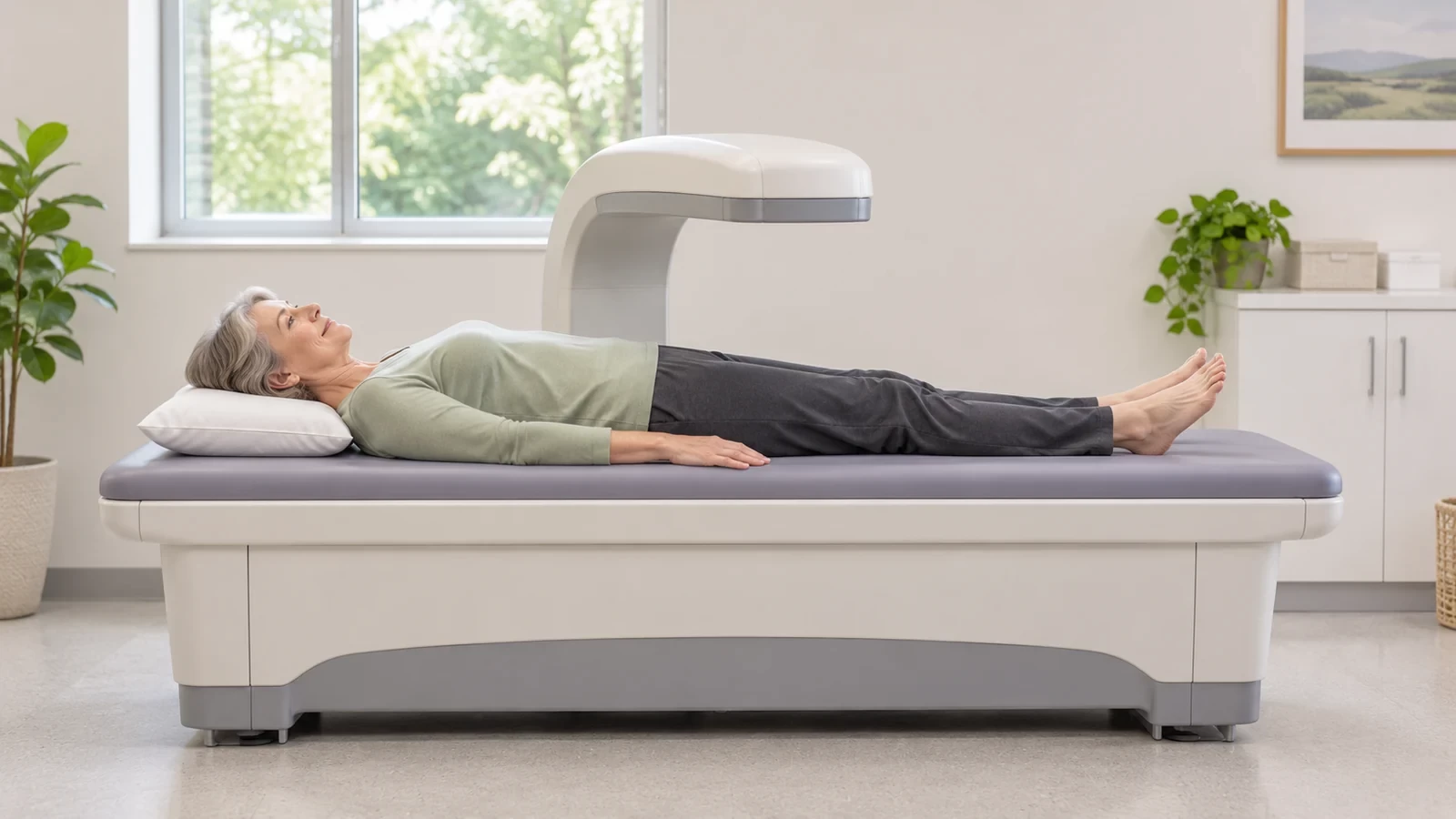
You can lose bone density without feeling any pain. A bone density scan, considered alongside your age and medical history, can help you and your doctor assess your risk of a fracture and decide what to do before one occurs.
When should you ask about a scan?
The Society of Endocrinology and Metabolism of Türkiye recommends osteoporosis screening for women over 65 and men over 70. You may need an assessment earlier if you have risk factors. Tell your doctor if you went through menopause early, have taken oral corticosteroids for a long time or have a parent who broke a hip.
If you have broken a bone after a minor injury, such as a fall from standing height, discuss it with your doctor now. A noticeable loss of height, or new back pain in someone at risk for osteoporosis, may call for additional spine imaging alongside a bone density scan.
What happens during a DXA scan?
A DXA scan uses a low dose of X-rays to measure bone mineral density, usually in the hip and lower spine. You lie still on an open table during the scan. When you book, ask how to prepare and bring any previous scan reports to the appointment.
Your report will often include a T-score, which compares your bone density with a healthy young adult reference. In postmenopausal women and men aged 50 or older, a T-score of −2.5 or below at a standard measurement site falls in the osteoporosis range. Results in younger people are interpreted differently.
What happens if your bone density is low?
Your doctor considers the scan along with your age, previous fractures and medicines. They may use a tool such as FRAX to estimate your chance of a fracture over the next ten years. Mention any falls you have had, as this helps put the result in context.
Someone who broke a hip or vertebra after a minor injury may need treatment even with a T-score above −2.5. For some people, nutrition, exercise and follow-up may be enough. People at higher risk of fractures may also benefit from medication. The timing of a repeat scan depends on the first result and the treatment plan.
What can you do now?
- Put together a list of previous fractures and current medicines, along with any DXA reports.
- Ask about adding strength and balance exercises suited to your abilities. If you have had a fracture or fall frequently, choose a programme with a healthcare professional.
- Include sources of calcium and protein in your meals. Discuss whether you need calcium or vitamin D supplements based on your diet and health.
At your appointment, ask which factors contribute most to your fracture risk and when you should take the next step. Those answers help turn the number on your report into a plan you can follow.
Sources
- Covers screening ages and risk groups in Türkiye, DXA and interpretation of results. Osteoporosis guideline from the Society of Endocrinology and Metabolism of Türkiye
- Summarises when fracture history, FRAX, DXA and spine imaging are used. NOGG guidance on fracture risk assessment
- Examines fracture outcomes in older women offered a screening programme with risk assessment and referral for treatment when indicated. SCOOP randomised screening trial
- Covers calcium and vitamin D intake, exercise tailored to the individual and steps to reduce falls. NOGG guidance on exercise and nutrition for bone health